AI capability has outpaced AI trust.
Organizations know AI could help. They’ve seen the demos, felt the competitive pressure. But there’s a gap between knowing AI could transform their work and actually trusting it with real work.
This skepticism isn’t irrational. It’s wise.
The question isn’t capability. It’s trustworthiness—and for many domains, trust isn’t a feeling. It’s documentation. It’s audit trails. It’s the ability to explain exactly why a decision was made, by whom (or what), and with what evidence.
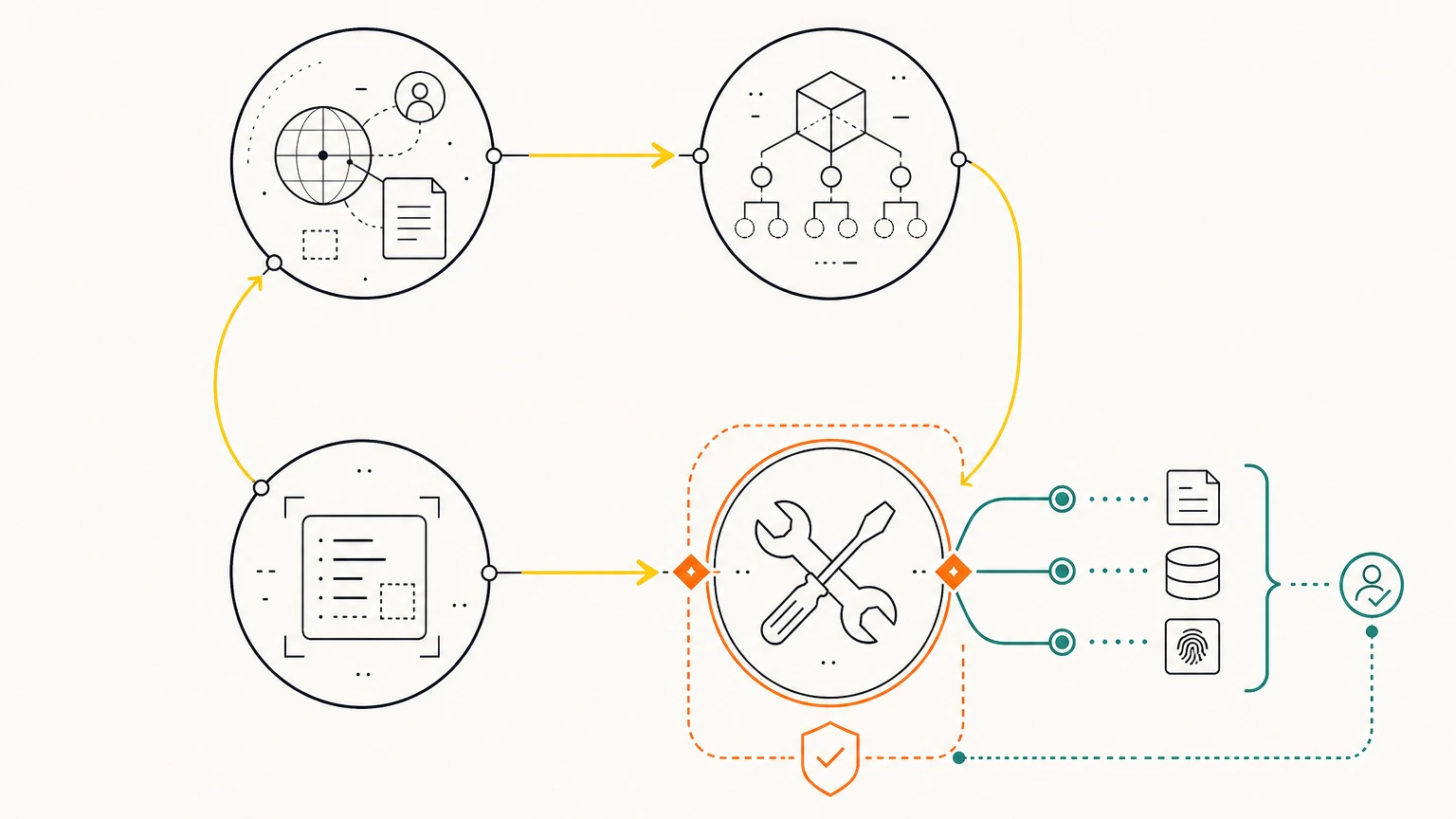
Enablement engineering is the practice of building AI systems that meet this standard.
The Philosophy
The key word is “enablement.”
These systems create ladders, not walls. They extend what people can do rather than creating dependency. They transfer capability over time rather than hoarding it. The goal isn’t to make yourself indispensable—it’s to make yourself unnecessary.
These systems create mirrors, not slot machines. They reflect user intention back clearly rather than optimizing for engagement through variable reward. The goal isn’t to capture attention—it’s to serve it.
This is a fundamentally different relationship between technology and human agency. We’re not asking “how do we replace human judgment?” We’re asking “how do we amplify human judgment while keeping humans meaningfully in control?”
You can only truly extend capability with systems people can trust, understand, and eventually own. Auditability isn’t a constraint on enablement—it’s the foundation of it. People can’t build on what they can’t see.
Glass Box, Not Black Box
The dominant metaphor for AI systems is the “black box.” Inputs go in, outputs come out, and the reasoning in between is opaque. For many applications, this is fine.
But for some domains, black boxes are disqualifying.
Accessibility remediation. Legal document review. Medical coding. Financial compliance. Educational assessment. Anywhere that decisions must be justified to third parties. Anywhere that errors carry significant consequences. Anywhere that “the AI said so” isn’t an acceptable answer.
These domains require glass box AI—systems where reasoning is visible, procedures are auditable, and failures are surfaced rather than hidden. The goal isn’t perfect AI. The goal is AI whose imperfections are visible and correctable.
When regulators ask “how did you ensure this document was accessible?”, the answer can’t be “we had a really good prompt.” It has to be “here are the procedures that were executed, the decisions that were made at each step, and the evidence that supports each decision.”
Vibes don’t scale. Procedures do.
What This Looks Like
Consider an accessibility remediation workflow:
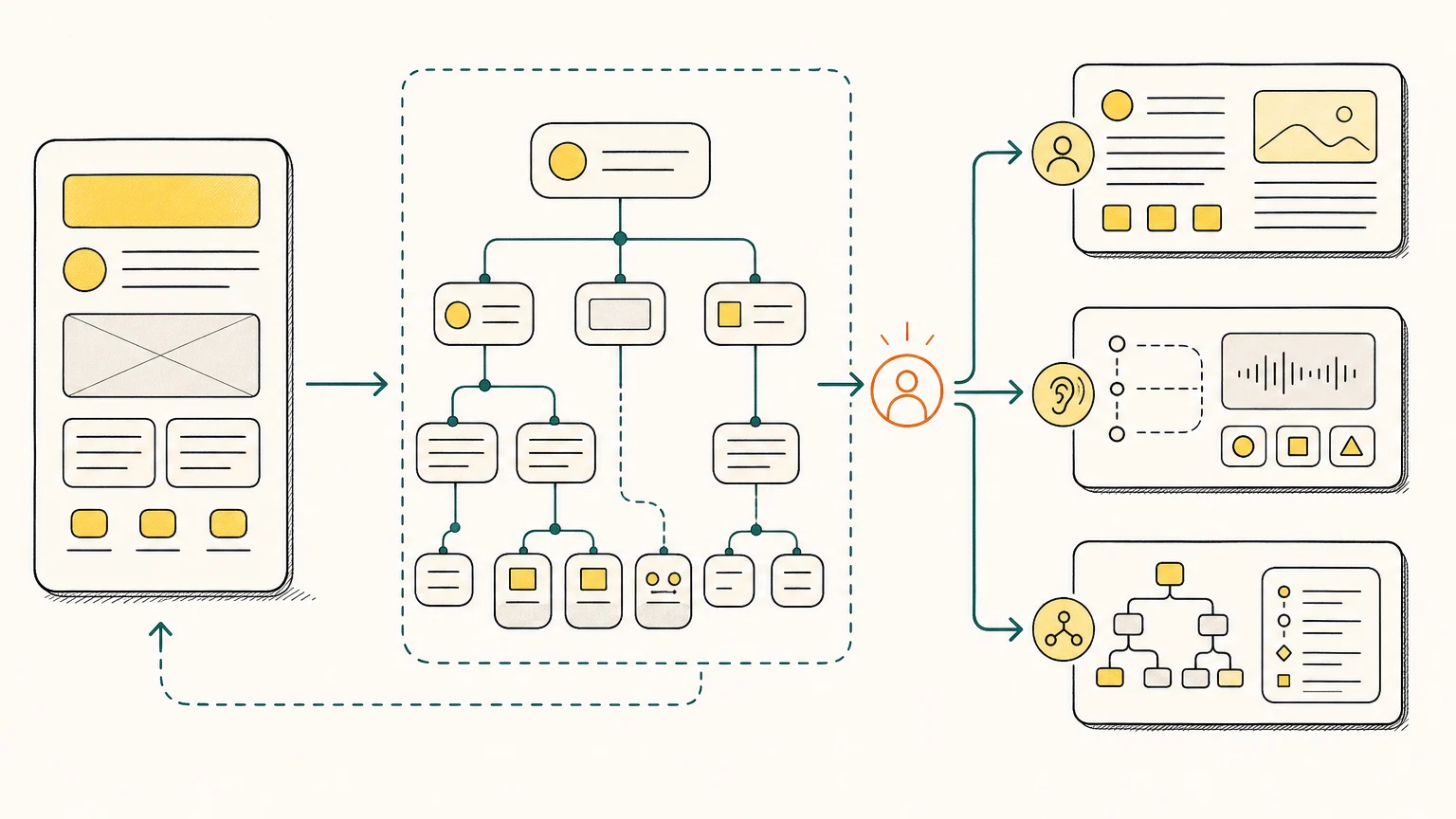
A user submits a PDF. Instead of a magic “Fixed” button, the reviewer sees a decision tree. They see why a heading was classified as H2—the visual weight, the document outline, the semantic role. They see the specific WCAG criteria cited for each contrast adjustment. They see why alt text was generated a certain way, with the context that informed it.
If the AI is wrong, they don’t fight the prompt—they correct the logic. And those corrections feed back into the system.
The human stays in control. The system amplifies their judgment rather than replacing it. And when they’re done, they understand more about accessibility than when they started.
That’s the difference between AI that creates dependency and AI that builds capability.
Who This Is For
Enablement engineering isn’t for everyone. It’s for organizations and practitioners who share specific circumstances:
Regulated industries. If your work requires audit trails—accessibility, legal, healthcare, finance—enablement engineering provides infrastructure for AI-assisted compliance without black-box risk.
Teams where trust is earned. If you need to convince stakeholders, regulators, or clients that your AI systems are trustworthy, you need systems that demonstrate trustworthiness through evidence rather than assertion.
Leaders who want leverage without dependency. If you’re building organizational capability rather than creating vendor lock-in, enablement engineering’s focus on capability transfer aligns with your goals.
The common thread is a refusal to accept the trade-off between capability and accountability. You shouldn’t have to choose between powerful AI and trustworthy AI.
The Commitment
The measure of success isn’t how much clients need you. It’s how much more they can do when you’re done.
This means building systems organizations can eventually operate themselves. It means documenting not just what the system does, but why. It means investing in training and handoff rather than creating artificial dependency.
It means working toward your own obsolescence.
For the technical foundations—context, model, prompt, and tools—see The Core Four Framework.
For why accessibility work is alignment work, see Accessibility as Alignment Work.