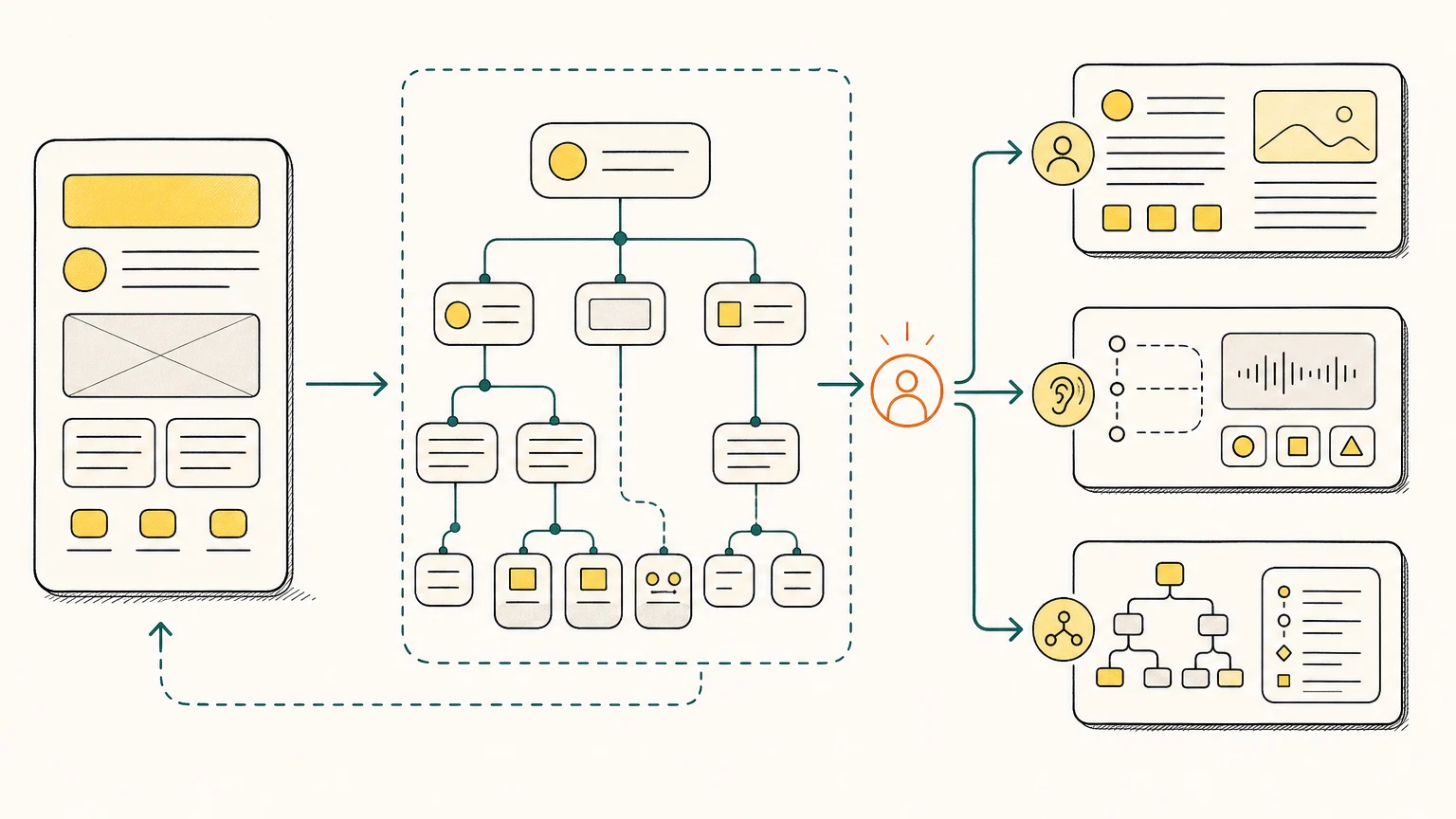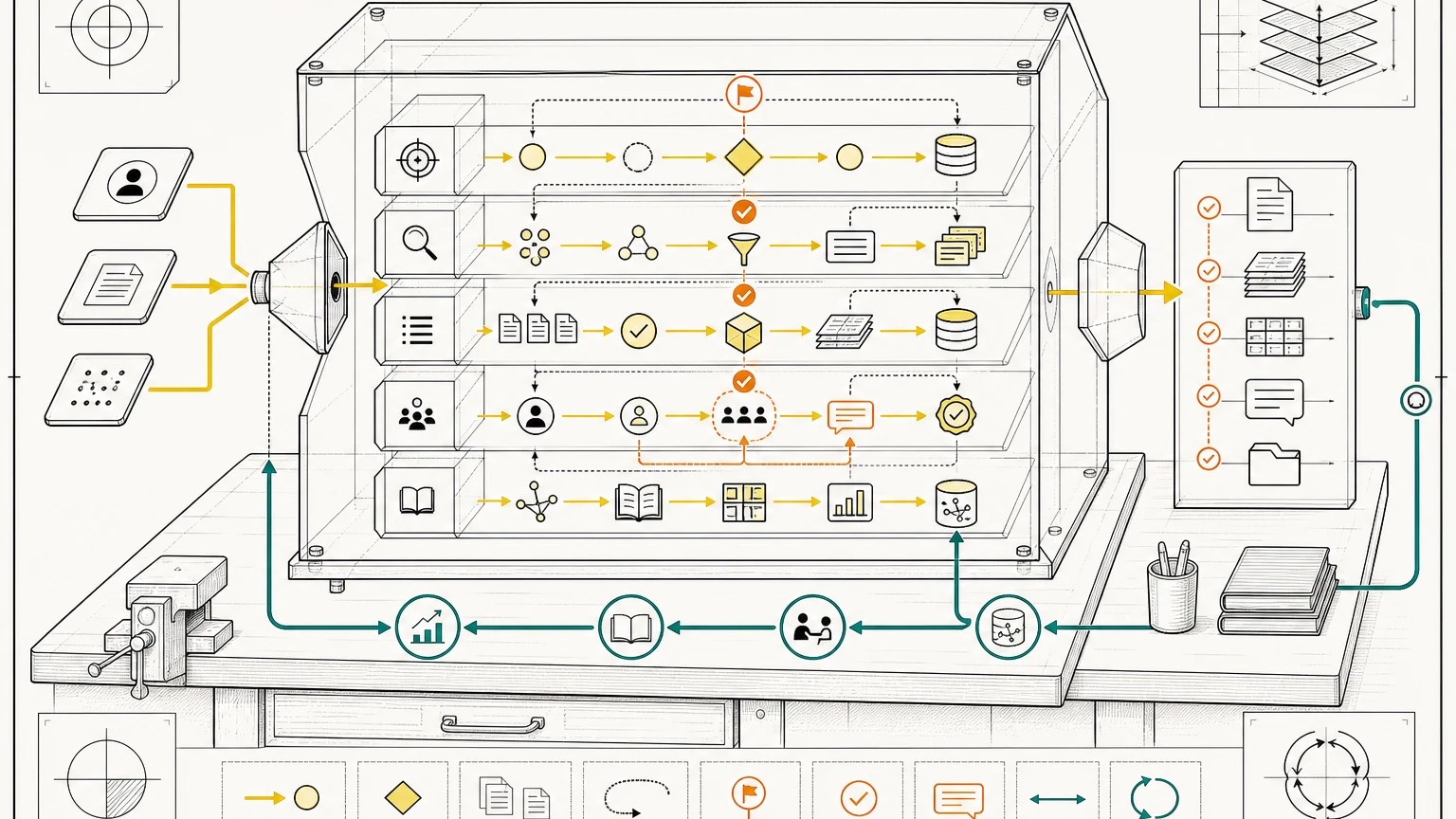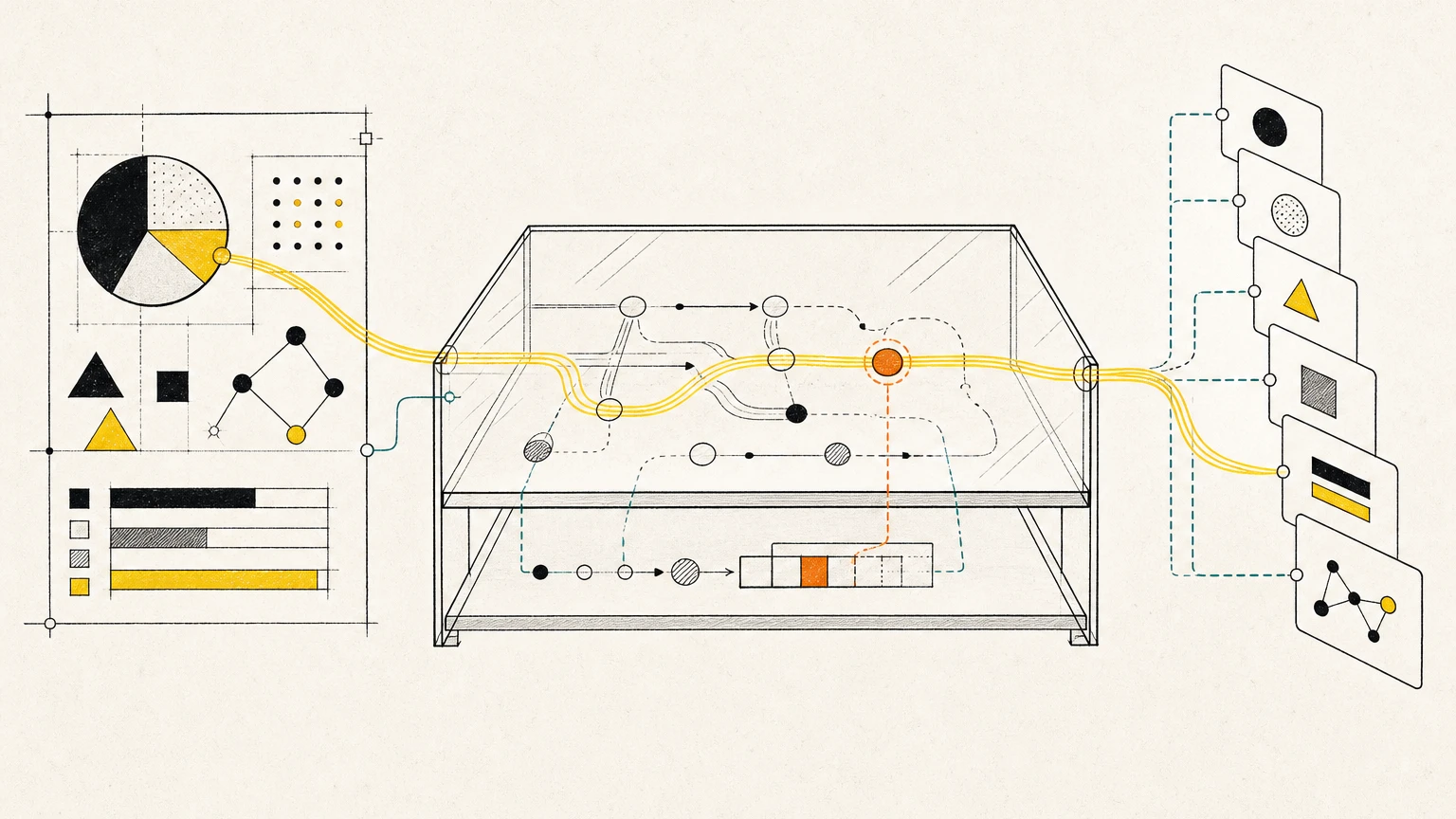
Technology has a choice in how it relates to human capability.
It can build walls—interfaces that constrain, workflows that extract, systems that create dependency. Subscription models that hold your data hostage. Algorithms that weaponize attention. Platforms that divide rather than connect.
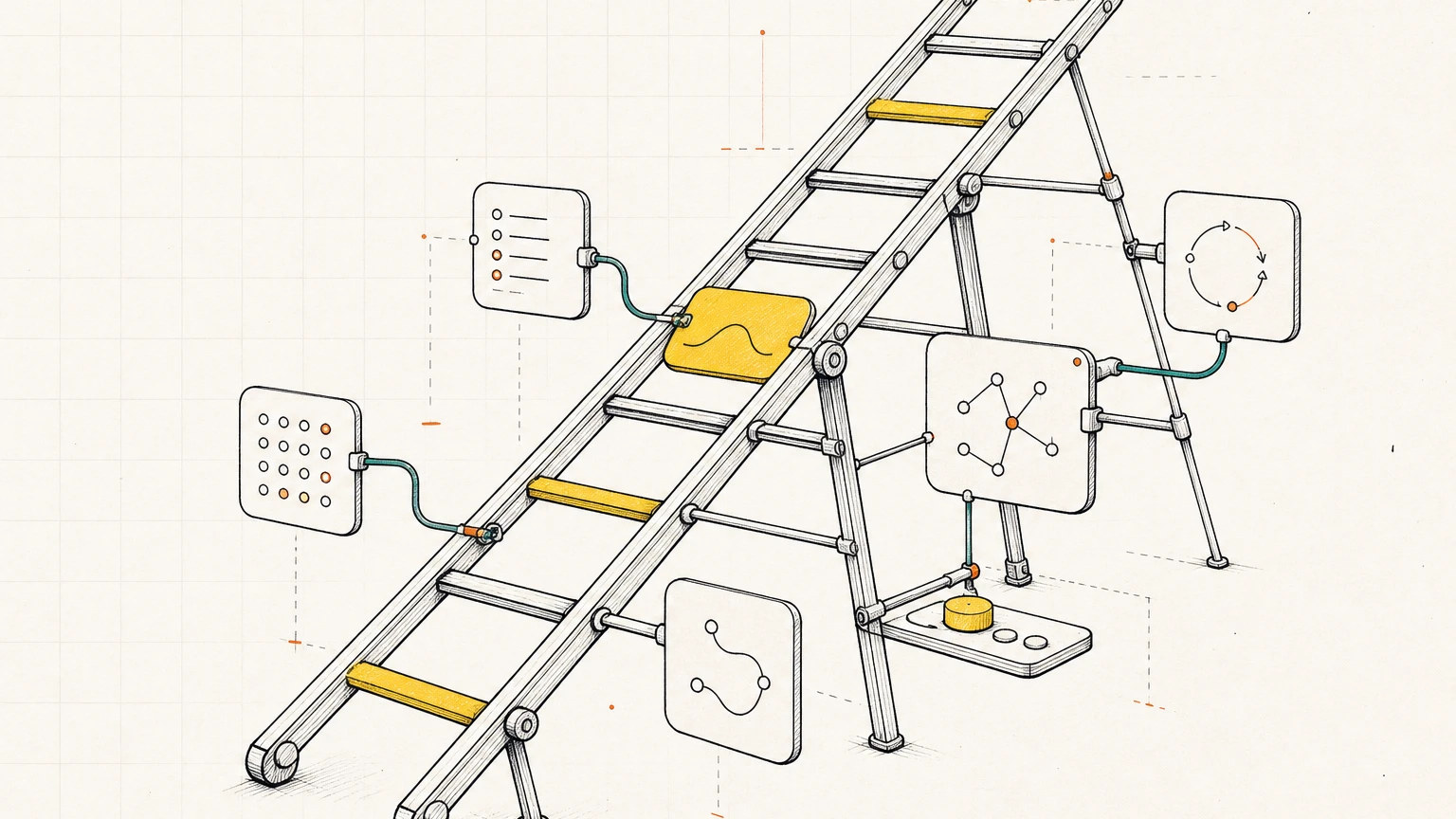
Or it can build ladders—tools that extend reach, systems that amplify judgment, infrastructure that enables capability you didn’t have before.
The Enablement Imperative
I was of the generation that witnessed the first iPhone, the first iPad. We knew we could accomplish anything we set our minds to, as long as we could amplify it through computers. That faith has eroded.
People don’t believe that anymore. Technology feels like something done to them rather than with them.
This isn’t inevitable. It’s a design choice.
What Ladders Look Like
A ladder doesn’t replace the climber—it extends their reach. The same principle applies to AI systems:
Prompts that capture your judgment and apply it at scale Patterns that encode your expertise for reuse Automations that eliminate friction between intention and execution Systems that get smarter through use rather than requiring constant maintenance
The goal isn’t efficiency for its own sake. It’s agency—the ability to act on your intentions in the world.
Measuring What Matters
How do you know if you’re building ladders or walls? I use a few signature metrics:
Friction Index: How many steps between intention and action? Agency Delta: Can the person do things they couldn’t before? Idea Throughput: How many ideas make it from conception to execution?
When these metrics improve, you’re building ladders. When they decline, you’re building walls—no matter what the marketing says.
The Invitation
Enablement engineering is a practice, not a product. It’s the discipline of asking, at every decision point: Does this extend human capability or constrain it?
The answer shapes what we build next.
Intelligence is abundant. Orchestration is scarce. The ladders we build determine who gets to climb.